Oct 14, 2026Buying Guides
Wholesale Fitness Accessories for Gyms
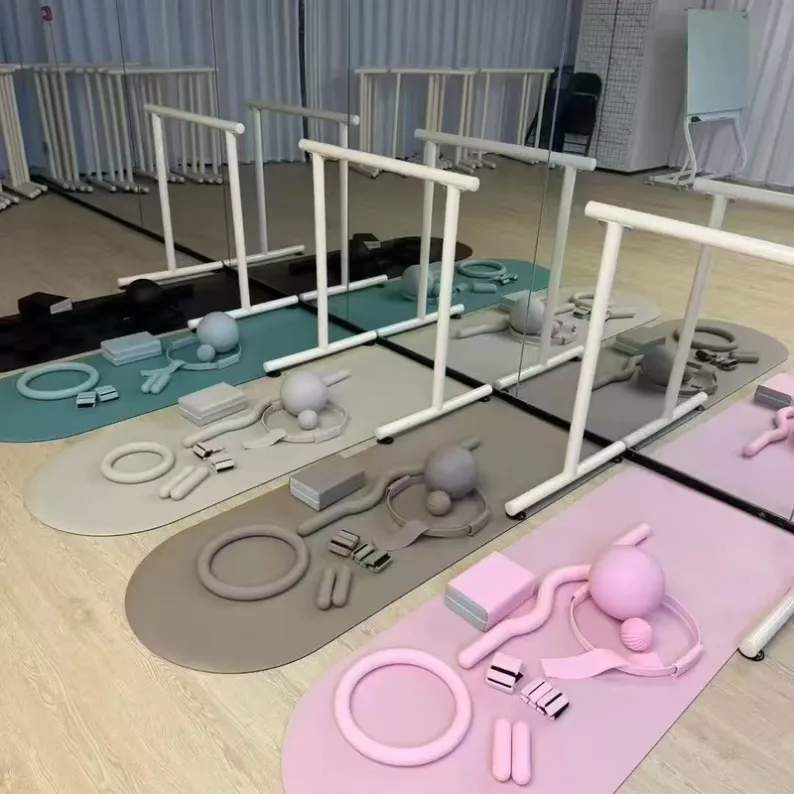
Wholesale Fitness Accessories for Gyms: Top Products & UK Sourcing Guide (2025–2026)
Sourcing wholesale fitness accessories for a commercial gym, fitness studio, or retail business involves more than comparing unit prices. Buyers need to consider product durability, supplier reliability, minimum order quantities (MOQs), shipping costs, and the likelihood of repeat orders before committing to a bulk purchase.
For gym operators and distributors in the UK, the right purchasing strategy can help maintain a well-equipped training environment while keeping inventory costs under control. For retailers and private-label brands, selecting the right mix of fitness accessories wholesale products can also create additional revenue opportunities without requiring the storage space or investment associated with large fitness machines.
This guide covers the main wholesale fitness accessories worth considering in 2025–2026, along with practical points to evaluate when sourcing products for the UK market.
Why Wholesale Fitness Accessories Matter for Gym Buyers
Fitness accessories serve different purposes across commercial gyms, boutique studios, personal training facilities, and sports retailers. Some are essential for daily training, while others support specialised workouts or generate additional retail sales.
From a purchasing perspective, accessories offer several advantages:
- More flexible inventory planning: Smaller products are generally easier to store, transport, and reorder than large fitness equipment.
- Multiple purchasing applications: The same product category may serve gym floor use, group classes, personal training, and retail sales.
- Opportunities for repeat orders: Products exposed to frequent use, wear, or loss may need regular replacement, depending on their application and quality.
- Private-label potential: Selected products can be customised with logos, colours, packaging, or other brand elements, subject to supplier capabilities and order quantities.
- More manageable product testing: Buyers can often evaluate samples and introduce selected SKUs before committing to a larger assortment.
However, a low wholesale price does not automatically translate into a better purchasing decision. Material quality, product consistency, defect rates, packaging, freight, and after-sales support all affect the total cost of ownership.
For wholesale UK buyers, it is worth evaluating suppliers against these factors before comparing quotations solely on price.
Top Wholesale Fitness Accessories to Stock in 2025–2026
1. Resistance Bands
Resistance bands are a practical starting point for buyers building a fitness accessories wholesale range. They are used in warm-ups, rehabilitation exercises, strength training, mobility work, and group fitness sessions, making them suitable for a wide range of commercial applications.
Common options include loop resistance bands, tube sets with handles, and fabric hip bands. Each serves a slightly different purpose, so buyers should select products according to their intended users rather than purchasing every variation in the catalogue.
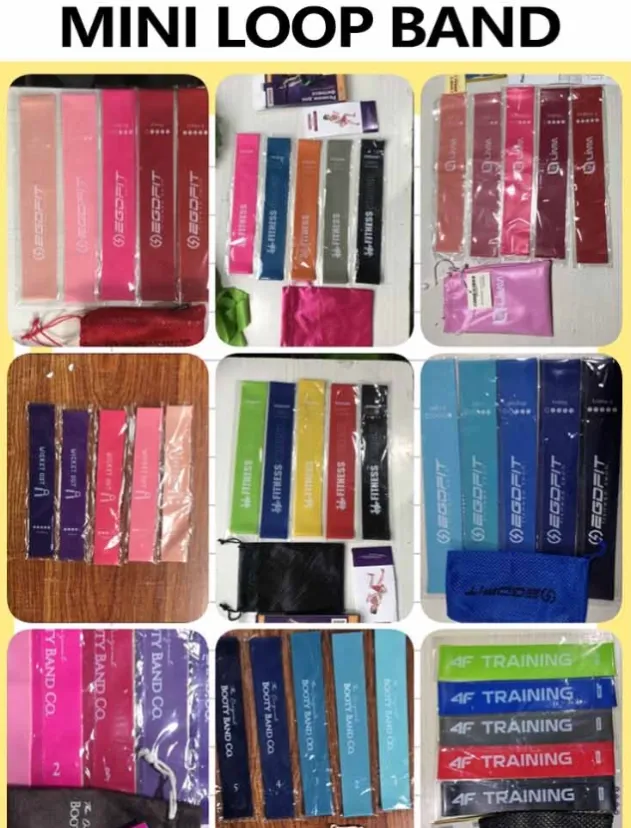
What to check before placing a bulk order:
- Material: Compare natural latex and TPE options for elasticity, durability, odour, and suitability for the intended application.
- Resistance consistency: Ask how resistance levels are defined and whether the supplier can maintain consistent specifications across production batches.
- Construction: Check seams, handles, connectors, and attachment points where applicable.
- Packaging: Individual packaging and clearly labelled resistance levels can simplify stock management and retail sales.
- MOQ and customisation: Confirm minimum quantities for standard products, colour changes, logo printing, and branded packaging.
For gyms purchasing bands for daily use, durability and easy identification of resistance levels should take priority. Retailers may also want to compare multi-piece sets, as these can provide a more complete product offering.
2. Dumbbells (Fixed & Adjustable)
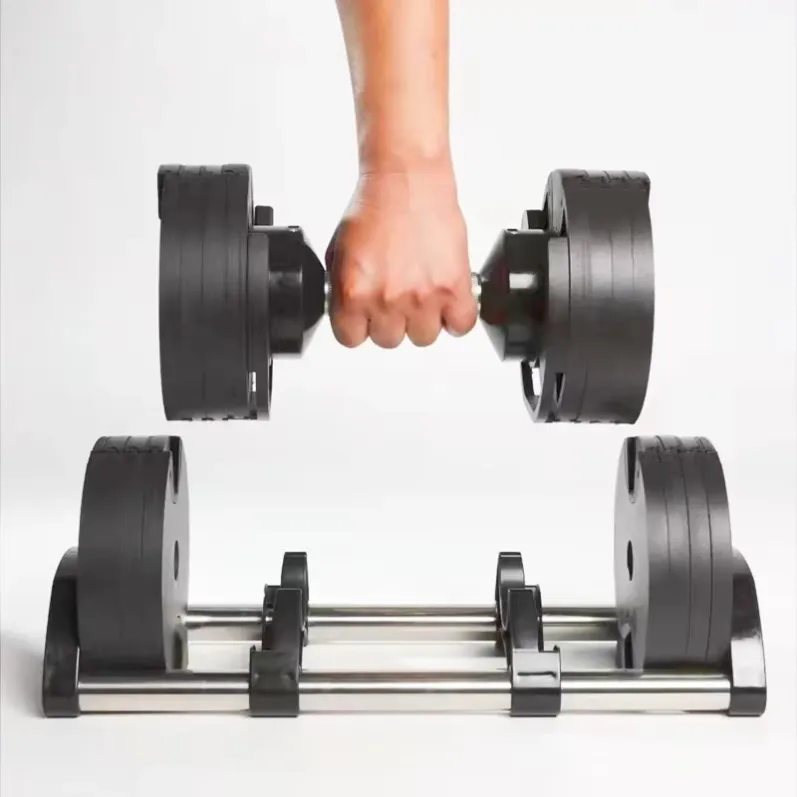
Dumbbells require a more detailed purchasing assessment because product weight, construction, storage, and freight costs can significantly affect the final order value.
Fixed hex dumbbells and rubber-coated models are common choices for commercial training areas. Adjustable dumbbells may be more suitable for smaller studios or facilities where storage space is limited.
Before sourcing dumbbells wholesale, buyers should establish the required weight range, the number of pairs per weight, and the available storage capacity. Ordering a broad weight range without reviewing actual training requirements can tie up capital in slow-moving stock.
Key purchasing considerations include:
- Weight accuracy: Confirm the supplier's stated weight tolerance and quality-control procedure.
- Material and finish: Assess rubber coverage, handle finish, grip comfort, and resistance to wear.
- Commercial suitability: Check whether the product is designed for frequent gym use rather than occasional home workouts.
- Packaging and transport: Request packed dimensions, gross weight, and pallet information to calculate freight accurately.
- Replacement availability: Ask whether matching dumbbells can be supplied later to maintain a consistent gym floor.
For wholesale buyers, landed cost is particularly important in this category. A competitive factory price may become less attractive once shipping, handling, storage, and any applicable import charges are included.
3. Yoga Mats & Exercise Mats
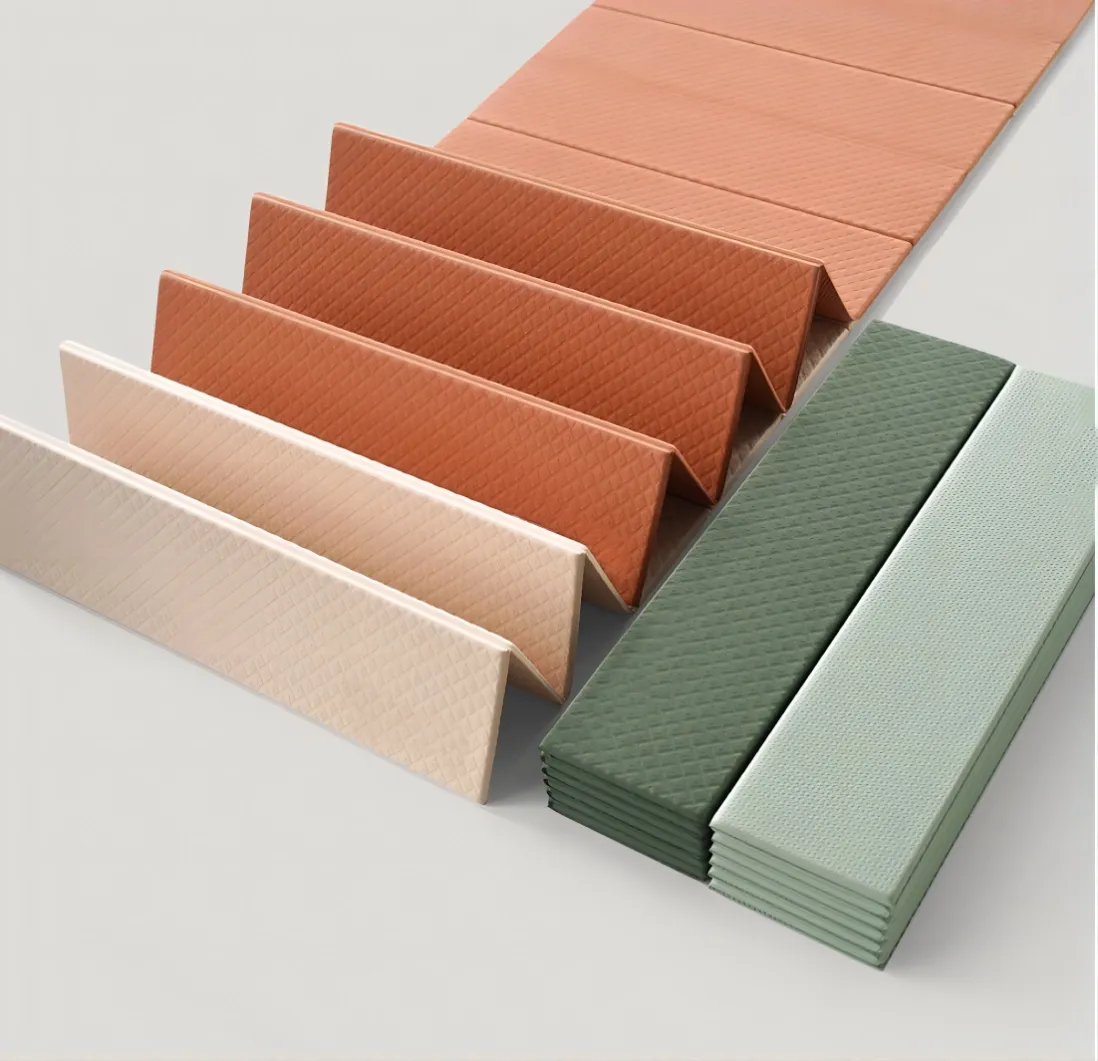
Yoga mats and exercise mats are relevant to yoga studios, Pilates facilities, group fitness operators, and gyms with dedicated stretching or recovery areas.
Although mats may look similar in supplier catalogues, differences in thickness, density, surface texture, material, and cleaning requirements can affect their suitability for commercial use.
Buyers should first determine whether the mats will be used for high-frequency studio classes, general floor exercises, or individual retail sales. This helps narrow the specifications before requesting quotations.
Points to assess when sourcing wholesale:
- Thickness and density: Choose according to the intended exercises, cushioning requirements, and storage arrangements.
- Surface grip: Evaluate traction under realistic workout conditions rather than relying only on catalogue descriptions.
- Material and odour: Request samples to assess material quality, smell, flexibility, and ease of cleaning.
- Wear resistance: Check whether the surface is likely to deteriorate under repeated use and routine cleaning.
- Storage and shipping: Compare rolled and foldable designs, including their packed dimensions and storage requirements.
For wholesale UK procurement, buyers should also request accurate material specifications and supporting documentation for any environmental or safety claims made by the supplier.
4. Weightlifting Belts, Gloves, Grips & Wrist Wraps
Weightlifting belts, lifting gloves, wrist wraps, lifting straps, and grip accessories allow buyers to expand their product range without relying entirely on bulky equipment.
These products are relevant to strength-training facilities, specialist fitness retailers, and brands targeting weightlifting or bodybuilding customers. They can also complement larger orders for free weights and strength-training equipment.
Because many of these products are available in numerous sizes, colours, and designs, SKU management deserves attention before a bulk order is placed.
What procurement teams should evaluate:
- Sizing and fit: Review size charts, available size ranges, adjustment mechanisms, and sample fit.
- Materials and construction: Inspect stitching, fasteners, padding, reinforcement, and contact surfaces.
- Product specifications: Check dimensions, materials, intended use, and any performance claims.
- Branding options: Confirm logo placement, printing or embroidery methods, packaging requirements, and associated setup costs.
- Order composition: Establish whether the MOQ applies to the entire order or to each individual size, colour, or design.
Custom-branded accessories can support a gym's retail offering, but buyers should calculate the cost of customisation separately from the base product price. This makes it easier to compare standard products with private-label alternatives.
5. Jump Ropes
Jump ropes are compact, versatile products used for warm-ups, conditioning, boxing training, circuit sessions, and individual workouts. Their relatively small size also makes them straightforward to incorporate into a broader fitness accessories wholesale order.
Available options include basic skipping ropes, speed ropes, weighted models, and designs with adjustable lengths or digital counters.
For commercial buyers, the purchasing decision should focus on how the ropes will be used and how easily worn components can be replaced.
Before ordering, check the following:
- Rope material: Compare PVC, coated cable, and other available constructions for the intended training application.
- Handle design: Assess grip comfort, bearing mechanisms, and overall construction.
- Adjustability: Confirm whether rope length can be adjusted and whether the process is straightforward.
- Replacement parts: Check the availability of cables, handles, and other replaceable components where relevant.
- Product consistency: Request samples and confirm that production units will match the approved specifications.
For retailers, compact packaging and clear product differentiation may also be important. For gyms, ease of maintenance and suitability for repeated use should carry more weight than optional digital features alone.
Other Fitness Accessories Worth Including in a Wholesale Order
Once the core products have been selected, buyers can consider complementary categories to improve the range of equipment available to members or customers.
The following products may be suitable depending on the facility's training focus and purchasing budget.
Cable Machine Attachments
Tricep ropes, straight bars, lat pulldown bars, D-handles, and other cable machine attachments are relevant to strength-training facilities.
Check attachment dimensions, connection compatibility, grip materials, weld quality where applicable, and load-related specifications. Buyers should confirm compatibility with their existing machines before ordering in bulk.
Foam Rollers and Recovery Tools
Foam rollers, massage balls, and mobility tools can complement stretching areas, recovery zones, and retail product ranges.
When comparing suppliers, assess material density, surface construction, dimensions, cleaning requirements, and resistance to repeated compression.
Kettlebells and Medicine Balls
Kettlebells and medicine balls support functional training, circuit classes, and strength-conditioning programmes.
Purchasing considerations include weight accuracy, handle design, surface finish, construction consistency, and storage requirements. For larger orders, confirm the available weight increments and whether additional stock can be matched to the original specification.
Ab Rollers and Core Trainers
Ab rollers and core-training accessories are compact products that may suit gyms, personal training studios, and online retailers.
Check wheel stability, handle construction, grip quality, assembly requirements, and packaging protection. For products containing multiple components, request details of spare-part availability and the supplier's inspection process.
Bumper Plates and Free-Weight Accessories
Bumper plates, collars, lifting straps, and related free-weight accessories are worth considering for facilities with dedicated strength and Olympic lifting areas.
For bumper plates, verify weight tolerances, dimensions, material construction, and suitability for the intended dropping environment. For collars and other attachments, confirm compatibility with the relevant bar diameter.
Because these products vary considerably in weight and shipping requirements, buyers should assess the full delivered cost before finalising order quantities.
How to Evaluate Wholesale Fitness Accessories Suppliers in the UK Market
Choosing a supplier is not simply a matter of finding the lowest quotation. Buyers need to establish whether the supplier can deliver the required specifications, quantities, and lead times consistently.
When comparing wholesale fitness accessories suppliers, use the following checks to support a more informed purchasing decision.
1. Compare Quotations on the Same Specifications
Request quotations that clearly state the product model, dimensions, material, weight, packaging, order quantity, and any customisation requirements.
If two suppliers quote different specifications, their prices are not directly comparable. A standard product and a commercial-grade alternative may have significantly different service lives and costs.
2. Confirm MOQ, Lead Time, and Reorder Conditions
Ask whether the minimum order quantity applies per product, colour, size, or complete shipment.
Also confirm production lead times, sample availability, repeat-order lead times, and the process for handling delays. These details matter when planning a gym opening, seasonal retail inventory, or ongoing replacement stock.
3. Request Samples Before Bulk Purchasing
Samples allow buyers to assess construction, finish, dimensions, packaging, and general usability before making a larger commitment.
For important orders, agree on the specifications that the final production batch must meet. If necessary, arrange a pre-shipment inspection or another appropriate quality-control process.
4. Calculate the Total Landed Cost
The quoted product price is only one part of the purchasing cost.
For UK imports, the calculation may need to include:
- Product costs and customisation charges.
- International freight and insurance, where applicable.
- Customs clearance and applicable import duties.
- Import VAT and its treatment for the buyer's business.
- UK transport, warehousing, and handling.
- Inspection costs, packaging, and potential quality-related losses.
The relevant charges depend on the product, origin, shipping arrangement, and import terms. Buyers should confirm the applicable requirements rather than assuming that all suppliers' quotations include the same costs.
5. Check Product Documentation and Compliance
Ask suppliers for product specifications, relevant test reports, material information, and other documentation appropriate to the product.
Do not assume that a generic certificate automatically establishes compliance for every product in an order. Requirements vary according to product type, intended use, and the claims being made.
For UK buyers, documentation should be reviewed against the requirements applicable to the specific products being imported or sold.
6. Evaluate Private-Label and Packaging Capabilities
If you plan to sell under your own brand, establish what the supplier can customise and at what cost.
Confirm logo artwork requirements, colour options, packaging specifications, sample approval procedures, and the MOQ for each custom element.
It is also useful to clarify ownership of artwork, packaging files, and approved product specifications before production begins.
Global Sourcing Trends and Wholesale UK Purchasing Priorities
Online marketplaces and social commerce can help buyers identify products worth investigating, but sales visibility should not be treated as proof of wholesale profitability.
Amazon listings can provide a reference point for retail pricing, product positioning, customer feedback, and competing designs. Alibaba and other B2B platforms can help buyers compare manufacturers, MOQs, customisation options, and indicative quotations. TikTok Shop can offer ideas about product presentation and consumer interest in compact, easy-to-demonstrate accessories.
However, these channels provide different types of information. Retail rankings, supplier order figures, and social media engagement are not directly comparable, and none guarantees future demand for a particular wholesale product.
For UK sourcing decisions, the practical priorities are more specific.
- Reliable availability: Can the supplier maintain stock or meet agreed production schedules?
- Competitive delivered pricing: Does the quotation remain attractive after freight and other applicable charges?
- Consistent product quality: Can the supplier reproduce the approved sample specifications across subsequent orders?
- Flexible order quantities: Can the buyer test demand without taking on excessive inventory?
- Private-label support: Are branding, packaging, and product variations commercially viable at the required order volume?
- Responsive communication: Can the supplier provide clear answers about specifications, documentation, production, and after-sales issues?
These factors are more useful for procurement planning than relying on broad claims about which products are currently trending.
A Practical Checklist for Your Next Wholesale Fitness Accessories Order
Before confirming a purchase, review the following points with your supplier.
- Define the products, specifications, and intended applications.
- Confirm the quantity required for each SKU, size, colour, or weight.
- Request quotations from comparable suppliers.
- Check MOQ, production lead time, payment terms, and reorder conditions.
- Approve samples and document the agreed specifications.
- Confirm packaging, labelling, and private-label requirements.
- Review relevant product documentation and quality-control arrangements.
- Calculate the total landed cost and expected inventory requirements.
- Agree on the process for reporting defects, shortages, or specification discrepancies.
- Confirm delivery arrangements before authorising production or shipment.
A structured purchasing process helps reduce avoidable costs and makes supplier performance easier to evaluate over time.
Final Thoughts: Building a More Profitable Fitness Accessories Wholesale Range
The right wholesale fitness accessories range depends on your business model, customer requirements, storage capacity, and purchasing budget.
Resistance bands, dumbbells, yoga mats, weightlifting accessories, and jump ropes provide a useful starting point for many gyms and retailers. Complementary products such as cable machine attachments, foam rollers, kettlebells, ab rollers, and bumper plates can then be added according to actual demand.
For buyers sourcing wholesale UK stock or importing products for the British market, the most important step is to look beyond the initial unit price. Product consistency, supplier communication, manageable MOQs, accurate documentation, and total landed cost all contribute to a successful long-term purchasing relationship.
By comparing suppliers against clear specifications and testing products before committing to larger orders, gym operators, distributors, and private-label brands can build a fitness accessories wholesale range that meets customer needs while keeping purchasing decisions commercially sound.
